


News
-
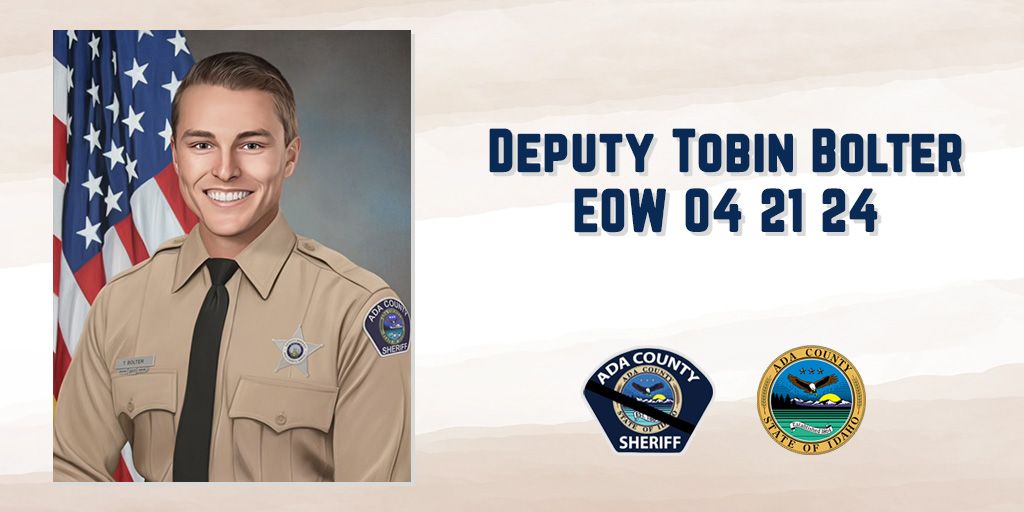
Ada County Mourns Deputy Tobin Bolter
It is with profound sadness that the Board of Ada County Commissioners, Chairman Rod Beck, Commissioner Ryan Davidson, and Commissioner Tom Dayley share their deep condolences with the entire Ada County community for the loss of one of our Ada County Deputies.Read Full Story… -
Ada County Elections Introduces the Ballot Verifier
Ada County Elections is excited to launch a new, first-of-its-kind platform, the Ballot Verifier. This tool puts Ada County at the forefront of providing more transparency into elections by being the first in the country to develop and implement an interactive data tool like the Ballot Verifier. This innovative and interactive tool will allow theRead Full Story… -
APRIL IS COUNTY GOVERNMENT MONTH
Did you know there are 44 counties in the Gem State? As a matter of fact, even if you live outside the city limits of the nearest town, you live in a county. April is County Government Month in Idaho and across the United States. It’s the perfect time to elevate awareness of county government,Read Full Story…
Events
-
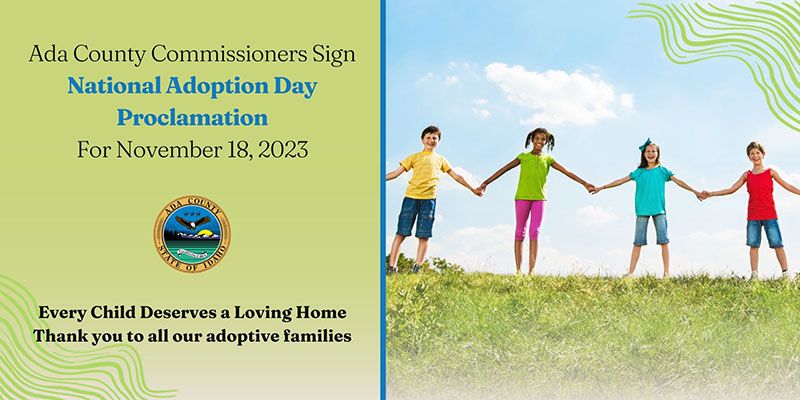
NATIONAL ADOPTION DAY IS NOVEMBER 18, 2023
More than 400 foster children in Ada County are awaiting adoption. When these children find their new families it brings joy to so many – new parents, new siblings, new grandparents, aunts, uncles, cousins neighbors and countless others. For children and families adoption is a life changing event. Making sure the community and prospective parentsMore Details… -
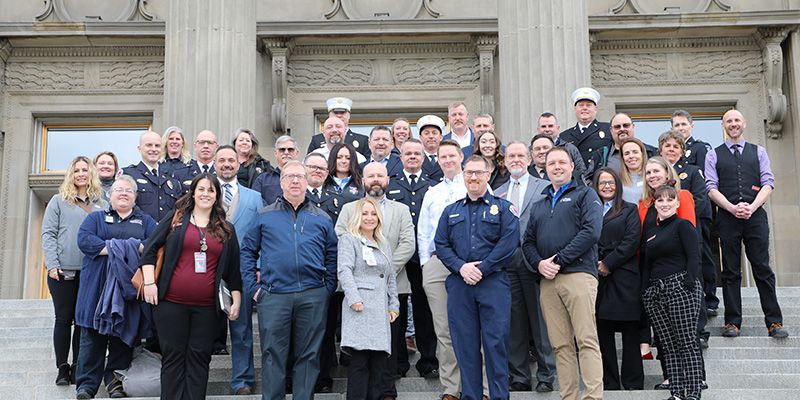
Ada County Paramedics – EMS Day at the Capital
More Details… -
Ada County Drug Court – Changing Lives For the Better
One of Ada County’s most important and inspiring services is Drug Court. Each year the lives of individuals and families are changed for the better by this rigorous program. Please take a moment to watch how the program works.More Details…